







FELONY
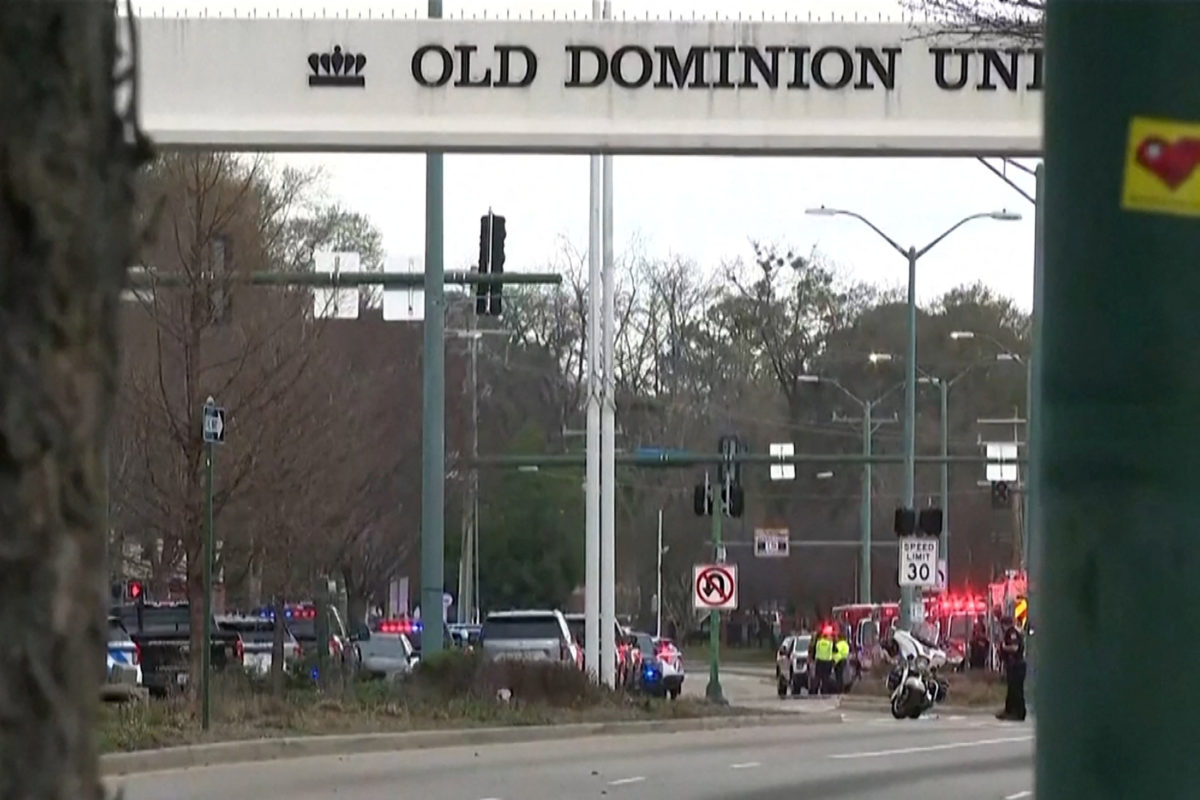
Virginia Man Charged for Selling Gun Used in University Shooting
What Happened: A man was charged by the Department of Justice for illegally selling a firearm to the shooter involved in the Old Dominion University shooting.
Charges: Illegal firearm sale / unlawful transfer
Max Penalty: Up to 10 years federal prison
Outcome: Federal charges filed against the seller
Key Takeaway: Selling a gun illegally can directly connect you to violent crimes.
 Transfer with Gun Transfer →
FELONY
Man Charged After Selling Firearm to Prohibited Buyer in Private Transaction
What Happened: An individual was charged after selling a firearm in a private, unregulated transaction to a person who was legally prohibited from possessing a gun.
The firearm was later recovered during a criminal investigation.
The firearm was later recovered during a criminal investigation.
Charges: Transfer of firearm to prohibited person
Max Penalty: Up to 10 years federal prison
Outcome: Federal charges filed
Key Takeaway: Even in private sales, you can be criminally liable for selling to someone who is not legally allowed to own a firearm.
FELONY
Gun Sale Turns Violent After Seller Shot With His Own Weapon During Deal
What Happened: A private gun sale turned into a violent crime when a buyer stole the firearm during the transaction and shot the seller with it. The incident happened during what was supposed to be a private sale meeting.
Charges: Aggravated robbery with a deadly weapon
Max Penalty: First-degree felony (up to decades in prison)
Outcome: Suspect arrested and charged
Key Takeaway: Private gun sales without safeguards can immediately turn into violent crimes—even during the transaction itself.
FELONY
Man Charged After Selling Gun Used in Colleyville Synagogue Hostage Crisis
What Happened: A man was federally charged after illegally selling a firearm in a private transaction to the individual who later carried out the Colleyville, Texas synagogue hostage crisis.
The seller was legally prohibited from possessing or transferring firearms, making the private sale illegal from the start.
Charges: Illegal firearm possession and unlawful transfer
Max Penalty: Up to 10 years federal prison
Outcome: Charged in federal court
Key Takeaway: Even a single private sale can expose you to federal charges if the gun is later used in a high-profile violent crime.
FELONY
Multiple Sellers Charged After Providing Gun Used in Trolley Square Mall Shooting
What Happened: Several individuals were charged after privately selling firearms that were later used in the Trolley Square mall mass shooting in Utah.
The gun used in the attack had passed through multiple private sellers before reaching the shooter.
Charges: Illegal firearm transfers / unlawful sale
Max Penalty: Up to 10 years federal prison
Outcome: Multiple individuals pleaded guilty or were sentenced, including prison time and probation
Key Takeaway: If a firearm you sell ends up in the wrong hands, you can still face criminal consequences—even if you weren’t involved in the crime itself.
FELONY
Multiple Individuals Charged in Connection With Kansas City Parade Shooting Weapons
What Happened: Following the Kansas City Chiefs parade mass shooting, investigators charged multiple individuals connected to the firearms involved, including those tied to how the guns were obtained and transferred.
Charges: Firearms-related offenses tied to unlawful possession and transfer
Max Penalty: Up to 10 years federal prison
Outcome: Multiple individuals charged in connection to the weapons used
Key Takeaway: Even if you’re not the shooter, being involved in how a gun is transferred or handled can still lead to serious criminal charges.
FELONY
Arizona Man Charged for Selling Guns Planned for Race War Mass Shooting
What Happened: Mark Adams Prieto, 58, of Prescott, AZ, sold two rifles to undercover FBI agents he believed were planning a mass shooting at an Atlanta concert in May 2024 to incite a race war. The FBI monitored the transactions and arrested him in transit with seven firearms.
Charges: Firearms Trafficking + Transfer of Firearm for Use in a Hate Crime + Possession of Unregistered Firearm
Max Penalty: Up to 40 years federal prison combined
Outcome: Indicted by federal grand jury, June 2024
Key Takeaway: Selling a gun to someone who openly discusses planning violence is direct federal trafficking — even one private sale can put you in prison for decades.
FELONY
Felon Used Girlfriend to Straw-Purchase 19 Firearms — Sentenced to 17 Years
What Happened: Dartanguia Antonious Lee, 42, an armed career criminal in Virginia, used his girlfriend to straw-purchase at least 19 firearms from four federally licensed dealers between December 2019 and March 2020. He then transferred them to other convicted felons.
Charges: Conspiracy to commit straw purchase + making false statements on federal firearms forms
Max Penalty: 17 years federal prison
Outcome: Convicted and sentenced
Key Takeaway: Using someone else to buy a gun for you — or BEING that someone else — is straw purchasing. It is a federal felony with decades-long sentences.
FELONY
Cincinnati Straw Purchaser Bought 21 Guns — Several Used in Crimes Within Two Weeks
What Happened: Timothy Moorman, Jr., 32, bought 21+ firearms at Cincinnati-area retail stores in September and October 2023 and handed them to co-conspirators within days. At least nine of those firearms were recovered in connection with crimes in Canada within two weeks of purchase.
Charges: Making a false statement on a federal firearm form (ATF Form 4473)
Max Penalty: Up to 10 years federal prison
Outcome: Pleaded guilty, September 2024
Key Takeaway: Lying on the federal ATF Form 4473 — saying the gun is for yourself when it is not — is a federal felony with up to 10 years prison.
FELONY
Federal Firearms Licensee Imprisoned After Selling Guns to Ineligible Buyer
What Happened: Cory Daigle, 30, a licensed firearms dealer from Revere, Massachusetts, knowingly sold multiple firearms to a person he knew could not legally own them. After one of those firearms was used in a shooting, he aided in concealing the criminal conduct.
Charges: Firearms trafficking + illegal possession of machine gun + receipt of unregistered firearm + conspiracy to falsify FFL records
Max Penalty: 2 years federal prison + 3 years supervised release
Outcome: Sentenced, August 2024
Key Takeaway: Even licensed dealers face prison if they knowingly sell to ineligible buyers — and the cover-up can be charged separately.
FELONY
Wisconsin Woman Convicted for Straw-Purchasing Glocks for Man Under Federal Indictment
What Happened: Candice Patterson straw-purchased two Glock handguns in Madison, WI for a man named Baker — who was under federal indictment and could not legally buy firearms — in September 2024. She pleaded guilty in January 2025.
Charges: Making a false statement on a federal firearms form
Max Penalty: Up to 10 years federal prison; sentenced to 3 years probation
Outcome: Sentenced January 2025
Key Takeaway: Buying a gun for someone who cannot legally buy it themselves — even a friend — is a federal felony.
FELONY
Maryland Man Sentenced to 10 Years After Gun He Transferred Was Used to Shoot Estranged Wife
What Happened: A Salisbury, Maryland man illegally obtained a firearm in November 2024 and gave it to another individual who later used it to shoot his estranged wife four times. He was convicted and sentenced to 10 years in prison.
Charges: Weapons violations connected to the 2024 shooting
Max Penalty: 15 years total (5 suspended) — 10 years to serve
Outcome: Convicted and sentenced February 2026
Key Takeaway: If a gun you transferred is later used to hurt someone, you can be held criminally liable for what happens with it.
How GunTransfer Keeps You Safe
Stay compliant, protected, and organized with every firearm transfer.
A structured system ensures every transfer is documented, organized, and legally defensible—giving you confidence and peace of mind.
A handshake isn’t a transfer.
Make it legal.
In your state, the seller carries the federal liability. One undocumented sale to the wrong person is the difference between a clean record and 18 U.S.C. § 922(d). For \$50, you get proof you did it right.
- Real background check on the buyerMulti-source federal, state & county criminal + sex-offender records.
- Official bill of sale, signed by both partiesElectronic. Documented to hold up in court.
- Lifetime digital records in your Gun VaultPull them 5, 10, 20 years from now.
- Done from your phone in ~10 minutesNo gun-shop visit required in your state.
Sell on a handshakeno paper · no protection$0 — exposed
Drive to a gun-shop FFL+ time · + gas · + waiting$45–$125
Use GunTransfer10 min · from your phone$50 flat
★★★★★
I almost burned half a Saturday driving to a gun shop. Instead I did it from my phone for fifty bucks.— Brandon T., verified seller
4,283transfers protected this year
37states served
2026laws up to date
Secure checkout · No FFL markup · No range fees · Flat $50 every time.
About this guide
- Published by
- Gun Transfer, which has handled private firearm transfers since 2016. Written and maintained in-house.
- Sources
- Federal law (18 U.S.C. § 921–931), the ATF’s published rules and guidance, and the statutes of the state this page covers. Primary sources are linked throughout the text above so you can check any of it yourself.
- Last reviewed
- . Firearm law changes often, and a page that was right in April can be wrong by August.
- Found something wrong?
- Tell us and we will check it: info@guntransfer.com or 855-750-5500.
This is general information, not legal advice. We are not a law firm and no attorney has reviewed this page. Firearm law varies by state and by situation, and the consequences of getting it wrong fall on you — so verify anything you are relying on against your state’s current statute, or ask a lawyer licensed there.