





Your Gun Vault

One login. All six platforms.

Private Gun
Transfer

Laws, Requirements & Step-by-Step Guide

Doing this in your state? Private sales are legal here — but the seller carries the federal liability. Make it official for a flat $50.Start — $50 →

A private gun transfer refers to the sale, gift, or transfer of a firearm between individuals who are not conducting the transaction through a retail firearm dealer.

Private Gun Transfer
Legal

|

Private Gun Transfer
safe

|

Private Gun Transfer
Bill of Sale

Overview

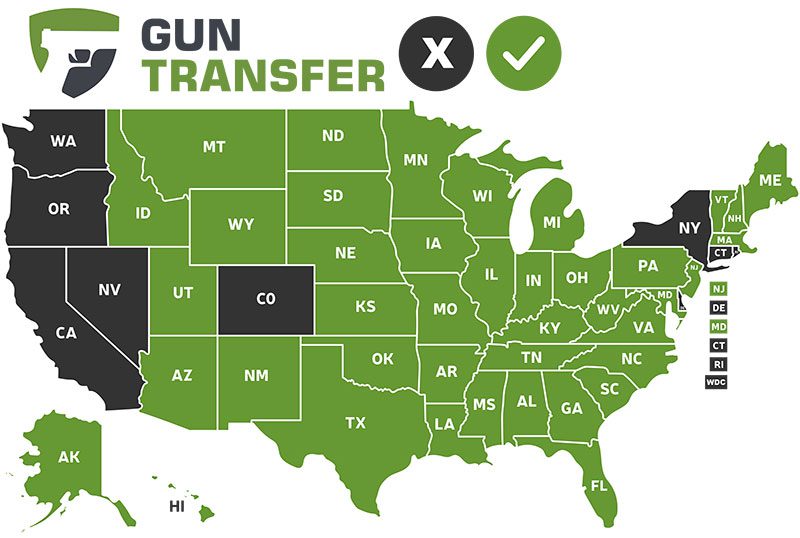
Private transfers are legal in many states — but the rules vary significantly depending on location, residency, and the type of firearm involved.

If you are considering a private firearm transfer, it is important to understand:

  • When dealer (FFL) involvement is required
  • When background checks apply
  • What federal laws govern transfers
  • How to document the transaction properly
  • How to complete the transfer responsibly

This guide explains how private gun transfers work and provides a comprehensive look at how to transfer a gun safely.

What Is a Private Gun Transfer ?

A private gun transfer occurs when one individual transfers ownership of a firearm directly to another individual outside of a traditional retail purchase.

Common examples include:

  • Selling a firearm to another private party
  • Gifting a firearm to a family member
  • Trading firearms between residents
  • Transferring ownership of inherited firearms

While many states allow private transfers, federal and state regulations still apply.

A private gun transfer occurs when one individual transfers ownership of a firearm directly to another individual outside of a traditional retail purchase. You can learn more about the legalities and requirements of the general gun transfer process in our comprehensive overview.

Are Private Gun transfers Legal ?

Private gun transfers are legal in many states, but requirements differ.

Some states:
  • Allow private sales without dealer involvement
  • Do not require background checks for resident-to-resident sales

Other states:

  • Require all transfers to go through a licensed dealer (FFL)
  • Require background checks for nearly all transfers
  • Impose waiting periods

Because laws vary significantly by state, it is critical to verify the gun transfer by state requirements that apply in your location.

Are Background Checks Required for Private Gun Transfers ?

Background check requirements depend on state law.

In Some States
  • Background checks are required for all firearm transfers
  • Dealer processing is mandatory
In Other States
  • Private resident-to-resident sales may not require background checks
  • Dealer involvement is optional

Private individuals do not have direct access to NICS. Gun Transfer does not conduct official NICS background checks and does not store background check reports. When background checks are conducted through licensed dealers, we receive only the transfer status (approved or not approved). Understanding your state’s requirements is essential. For more details, see our guide on gun transfer background checks.

When Is an FFL Required for a Private Gun Transfer ?

An FFL (Federally Licensed Firearms Dealer) is required in several situations, including:

An FFL is required when:
  • Interstate transfers (between residents of different states)
  • States that require universal background checks
  • Certain regulated firearm categories
If an FFL is involved:
  • The dealer conducts the background check
  • Required paperwork is completed
  • The firearm is released according to law

Even in states where private transfers are allowed, interstate sales must go through an FFL under federal law. Gun Transfer does not replace legally required dealer processing.

Federal Laws That Apply to Private Gun Transfers

Even when a state allows private sales without dealer processing, federal law still prohibits:

  • Transferring a firearm to someone known or reasonably believed to be prohibited
  • Interstate transfers without FFL involvement
  • Transfers to individuals under applicable age limits

Responsible private sellers should ensure compliance with all applicable federal laws.

Recommended Steps for a Responsible Private Gun Transfer

Regardless of whether dealer processing is required, responsible sellers often take additional steps to promote clarity and accountability.

1

Confirm State Residency

Confirm state residency of both parties.

2

Verify government-issued identification

Verify government-issued identification.

3

Confirm no reason exists to believe the buyer is prohibited

Confirm no reason exists to believe the buyer is prohibited.

4

Determine whether dealer processing is required

Determine whether dealer processing is required.

5

Create a Bill of Sale

Create a gun bill of sale documenting the transaction.

6

Retain documentation securely

Retain documentation securely for future reference.

Structured transfers reduce uncertainty and provide clear records.

Documentation

What Should Be Included in a Transfer Record ?

Even in states where documentation is not required, maintaining a written record is strongly recommended.

A proper transfer record typically includes:

  • Buyer’s full legal name
  • Seller’s full legal name
  • Date of transfer
  • Firearm make, model, and serial number
  • Purchase price (if applicable)
  • Signatures of both parties
Selling a gun in your state?

We handle the legal part for you.

You know the rules now — here’s the easy part. A real background check on the buyer, a signed bill of sale, and permanent records, done from your phone in about 10 minutes. Flat $50.

Start Your Transfer — $50 →Secure checkout · documented in your Vault forever

Why Documentation Matters in Private Transfers

Documentation promotes:

  • Clear ownership history
  • Record keeping
  • Transaction transparency
  • Reduced ambiguity

Paper-only documentation can be lost or damaged.

Digital documentation provides:
  • Secure storage
  • Timestamped records
  • Easy future access

Gun Transfer provides secure digital tools, including a gun sale transfer form, to support responsible private transfers.

Private Transfer vs Retail Purchase

Retail Purchase
  • Requires background check
  • Requires dealer paperwork
  • May include waiting period
Private Transfer
  • May not require dealer involvement (depending on state)
  • May not require background check (depending on state)
  • Documentation often optional but recommended

Avoid

Common Mistakes in Private Gun Transfers

Avoid these common errors:

Ignoring state-specific requirements
Failing to verify residency
Skipping documentation
Transferring to someone reasonably believed to be prohibited
Overlooking interstate transfer rules

Adding structure protects both parties.

Comparison

Private Gun Transfer vs Dealer Purchase

Key differences:

Private Transfer

  • May not require dealer involvement (depending on state)
  • May not require background check (depending on state)
  • Documentation often optional but recommended
Dealer Purchase
  • Requires background check
  • Requires federal paperwork
  • May involve waiting periods

Understanding the distinction helps ensure proper compliance.

3

Transfers Stopped For Safety Thanks To Gun Transfer!

How Gun Transfer Helps with Private Gun Transfers

Gun Transfer provides tools to help private parties structure firearm transfers responsibly.

Identity verification tools
Secure digital bill of sale
Electronic signatures
Secure record storage
Structured transfer documentation

Gun Transfer does not conduct official NICS background checks and does not store background check reports. Where dealer processing occurs, we receive only the transfer status. Our platform supports responsible private firearm transfers within existing legal frameworks.

Support

Frequently Asked
Questions

Can I sell a gun privately in my state?

Many states allow private sales, but requirements vary. Always verify your state’s laws.

Some states require background checks for all transfers, while others do not.

No. Interstate transfers must go through a licensed dealer.

Some states require documentation, while others do not. Documentation is generally recommended.

No. Gun Transfer does not view or store background check reports. We receive only the transfer status when dealer processing occurs.

Complete Your Private Gun Transfer Responsibly

Before completing a private gun transfer:

Review state & federal requirements

Confirm whether dealer involvement is required

Verify identity

Create documentation

Retain secure records

Gun Transfer helps private parties complete firearm transfers clearly and responsibly

Private Gun Transfer

Ready to Transfer ?

Start your secure private firearm transfer today at GunTransfer.com

OFFICIAL GUN LAW RESOURCES

GunTransfer helps firearm owners complete private firearm transfers responsibly while helping buyers and sellers remain compliant with applicable firearm laws.

Legal Disclaimer

The bottom line in your state

A handshake isn’t a transfer.
Make it legal.

In your state, the seller carries the federal liability. One undocumented sale to the wrong person is the difference between a clean record and 18 U.S.C. § 922(d). For \$50, you get proof you did it right.

  • Real background check on the buyerMulti-source federal, state & county criminal + sex-offender records.
  • Official bill of sale, signed by both partiesElectronic. Documented to hold up in court.
  • Lifetime digital records in your Gun VaultPull them 5, 10, 20 years from now.
  • Done from your phone in ~10 minutesNo gun-shop visit required in your state.
Sell on a handshakeno paper · no protection$0 — exposed
Drive to a gun-shop FFL+ time · + gas · + waiting$45–$125
Use GunTransfer10 min · from your phone$50 flat
★★★★★I almost burned half a Saturday driving to a gun shop. Instead I did it from my phone for fifty bucks.— Brandon T., verified seller
4,283transfers protected this year
37states served
2026laws up to date

Secure checkout · No FFL markup · No range fees · Flat $50 every time.